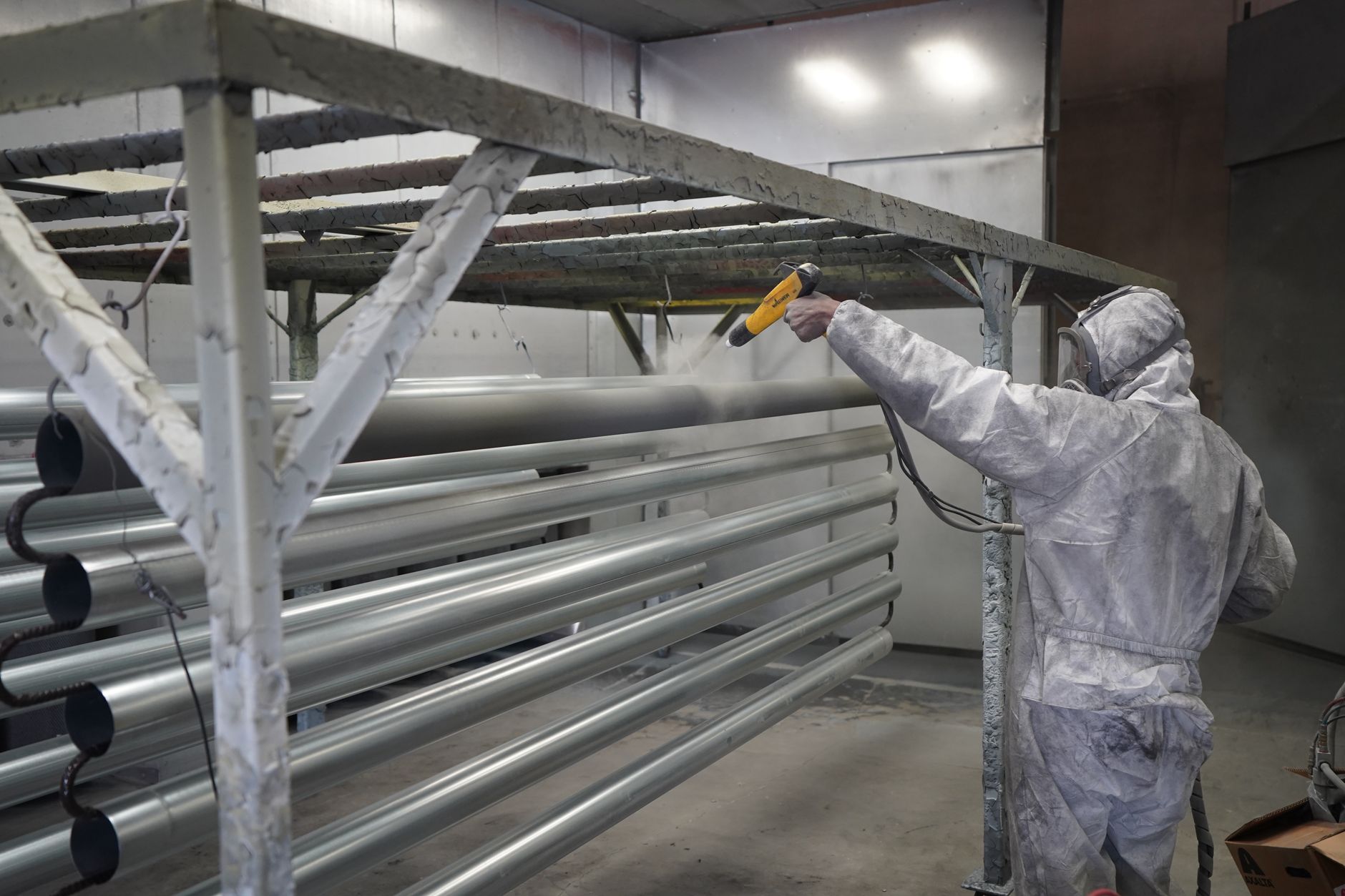
Industrial finishing departments often ask one oven to handle far more than a single repeat product. Curing demands shift with part size, metal thickness, geometry, rack weight, and powder formulation. That variety is why manufacturers need to match oven performance to the applications moving through the shop instead of treating every batch as the same thermal load.
Table of Contents
Sheet-Metal Enclosures Benefit From Predictable Batch Curing
Sheet-metal cabinets, electrical enclosures, access panels, and machine guards suit controlled batch curing because their dimensions and gauges are usually predictable. Panels made from lighter steel can reach part-metal temperature faster than dense weldments, allowing manufacturers to build efficient recipes once representative loads have been profiled. Using Reliant powder coating ovens for this work can help shops keep recurring cure schedules tied to known rack quantities and product dimensions. Buyers comparing Reliant powder coating equipment for sale can also plan booth and oven capacity together so enclosure work does not pile up between spraying and curing.
Why Heavy Fabrications Need More Heating Capacity
Heavy machinery frames, agricultural components, equipment bases, and thick welded assemblies create a different workload because their mass absorbs far more heat. Thick plates and reinforced joints may remain below cure temperature long after chamber air reaches its setpoint, making empty-oven heat-up figures a poor measure of production performance. Selecting a Reliant industrial powder coating oven for this work means considering burner capacity, circulation, chamber volume, and typical batch weight rather than size alone.
Operators can learn a great deal by profiling a representative heavy assembly at several locations. Profiling identifies the slowest-heating section and shows how long the part remains within the powder manufacturer’s cure window. Recorded results can guide rack loading, dwell time, and daily scheduling for repeat jobs. Consistent data helps Reliant powder coating systems support heavy fabrication without turning every thick-steel batch into an extended trial run.
Outdoor Products Need Consistent Cure Across Visible Surfaces
Outdoor furniture, railings, site fixtures, gates, and similar products combine appearance requirements with exposure to weather. Furniture frames and decorative metalwork often contain tubing, welds, corners, and visible surfaces where uneven flow or cure can be easy to notice. Well-matched powder coating equipment helps manufacturers keep application and curing conditions consistent across those varied shapes, while proper pretreatment and powder chemistry support long-term finish performance. Suitable Reliant powder curing ovens can then provide a controlled thermal stage for exterior-grade finishes without relying on appearance alone as proof of cure.
Custom Coating Work Rewards Flexible Batch Scheduling
Custom coaters face a different challenge because today’s rack may hold wheels while tomorrow’s carries brackets, frames, or furniture. Job variety makes flexible loading and recipe changes more valuable than a system built around one permanent part family. Batch operation gives crews room to adjust cure times, rack layouts, and loading patterns as the work changes. Flexible Reliant powder coating equipment can help short-run shops switch products without forcing every order into the same production rhythm.
Frequent color changes also affect scheduling because booth cleaning and powder handling can take meaningful time between batches. Cleaning crews can group jobs by color, finish type, or cure requirement so the oven remains productive while the application area resets. Coordinated use of a Reliant powder coating equipment package can align booth capacity, carts, and oven volume with the shop’s normal mix of short runs. Practical sequencing reduces the chance that coated work waits because another stage was planned around a different batch size.
Wheels and Compact Parts Can Still Carry Heavy Thermal Loads
Automotive wheels, brackets, housings, and smaller fabricated components are good candidates for repeatable batch processing. Wheels and dense metal parts may look compact, yet several pieces loaded together can create a substantial thermal load that changes recovery and heat-up time. Reliable powder coating equipment lets operators standardize part orientation, grounding, spray settings, and cure profiles for recurring designs. Shops considering a Reliant powder coating oven for sale can use actual rack weights and measured cure cycles to judge whether the chamber will support expected output rather than relying on piece count alone.
Long Parts Make Door Clearance Part of the Oven Choice
Long railings, structural members, racks, and architectural pieces create handling problems before they create heating problems. Railings may fit inside the chamber but still need generous door clearance and a straight approach path so carts can enter without scraping freshly coated surfaces. Door dimensions should be checked with the full rack or carrier, not just the bare part.
Material handling becomes part of the application when awkward work moves between the booth and oven. Floor tracks, carts, or overhead carriers can reduce unnecessary touching and make part orientation more repeatable. Planning these features alongside Reliant powder coating equipment keeps handling requirements connected to the thermal process instead of solving them after installation. Manufacturers processing long products regularly can gain more from a correctly arranged doorway and loading path than from simply choosing a larger chamber.
Mixed Production Needs an Oven That Fits More Than One Job
Growing OEMs and fabricators often need one finishing area to handle several of these applications during the same week. Backlogs usually appear where the oven cannot accept the next rack, heavy loads stretch the schedule, or awkward products take too long to load. Reliant Finishing Systems can help manufacturers evaluate that actual mix of work and decide whether the better fit is a different oven configuration or a broader equipment package built around how parts move through the plant. Ultimately, the useful question is not how large an oven a facility can install, but which setup can cure the products that create real production demand without adding another bottleneck.